17 septiembre 2009

GEOGRAPHY OF THE UNITED KINGDOM

Students are often confused about some geographical terms about English speaking countries. Let's see if we can sort things out.


The United Kingdom (UK) is a sovereign state located of the northwestern coast of Europe. It includes Great Britain, the northeastern part of Ireland and many small islands. The United Kingdom is a constitutional monarchy and unitary state consisting of four countries: England, Northern Ireland, Scotland and Wales.[19] It is governed by a parliamentary system with its seat of government in London, the capital, but with three devolved national administrations in Belfast, Cardiff and Edinburgh, the capitals of Northern Ireland, Wales and Scotland respectively.


Sometimes people use the term Great Britain in the same form as United Kingdom but, in fact, there is a difference. The term Great Britain includes: England whose capital is London, Wales whose capital is Cardiff and Scotland whose capital is Edinburgh. Great Britain does not include Northern Ireland.


Let's have a look to these countries flags.


This is The United Kingdom Flag. Blue field with red cross of Saint George (patron saint of England), edged in white overlaid on the diagonal red cross of Saint Patrick (patron saint of Ireland), which is superimposed on the diagonal white cross of Saint Andrew (patron saint of Scotland); correctly known as the Union Flag, but generally called the Union Jack.


Northern Ireland flag. It is known as the Ulster Banner. It has no official status.


England flag. It represents Saint George's Cross.


Scotland Flag. It represents Saint Andrew's Cross.


Wales Flag.

Now try these tests about The United Kingdom Geography.

  1. United Kingdom Geography Test 1.
  2. United Kingdom Geography Test 2.
  3. Parts of the United Kingdom Test 3.
  4. Scotland Test 4.

Webquest: If you don't know the answer of some questions, surf on the internet to know the correct answer. You can explore the links in here.

10 septiembre 2009

SECCIONES EUROPEAS

Este curso 2009/2010 el IES Maestre de Calatrava de Ciudad Real afronta un nuevo reto formar parte del proyecto de secciones europeas en el ciclo formativo de comercio internacional. Durante este curso escolar se impartirán los modulos de FOL (2º curso) y MARKETING (1er curso) en dos idiomas: inglés y castellano. Por tanto dedicamos esta entrada del BLOG para aportar toda la información necesaria para los alumnos que participan en este proyecto. Espero que la información que encontreis aquí os resulte útil.
Haz click para ver noticias en el periódico relacionadas con las secciones europeas:

- FOL USEFUL WEBSITES

- Spanish companies websites (companies which export their products)

  • Safroman (company from Castilla-La Mancha which exports saffron)
  • Productos Arenas (company from Castilla-La mancha which exports pastries and bakery products)

18 mayo 2009

PUPIL'S PROJECTS 2 (EXPLOTACIÓN DE SISTEMAS INFORMÁTICOS)


- TYPES OF COMPUTERS PPT: ESI 1 _JAVI RODRIGUEZ, JAIME PÉREZ AND GINÉS EXPOSITO (IES MAESTRE DE CVA, CIUDAD REAL, CURSO 08/09)
- PARTS OF A COMPUTER ZIP: ESI 1 _ JESUS SERRANO AND LUCIO ORTIZ (IES. MAESTRE DE CVA., CIUDAD REAL, CURSO 08/09)
- TYPES OF COMPUTERS PPT: ESI 1 _ JUAN FRANCISCO EXPÓXITO (IES. MAESTRE DE CVA., CIUDAD REAL, CURSO 08/09)
- PARTS OF A COMPUTER PPT: ESI 1_ALBERTO GONZÁLEZ (IES. MAESTRE DE CVA., CIUDAD REAL, CURSO 08/09)
- COMPUTER PERIPHERALS PPS: ESI 1_ EFRAÍN FRONTÓN (IES. MAESTRE DE CVA., CIUDAD REAL. CURSO 08/09)
- TYPES OF COMPUTER PPSX: ESI 1 _ JAIME ROMERO (IES. MAESTRE DE CVA., C.REAL, O8/O9)

12 mayo 2009

ONCE UPON A TIME

A nice way of learning English is by reading classic fairy tales. The structure of a fairy tale is well-defined: a beginning, a body and an end.

Here we have some well-known fairy tales: click on the link and you will listen to them while reading, so you will be practising reading and listening skills. Enjoy them!

Goldilocks and the Three Bears (Ricitos de oros y los tres osos).
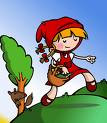

Little Red Riding Hood 1 (Caperucita Roja): multimedia, worksheets, audio.... (British Council)
Little Red Riding Hood 2 : Bilingual, audio, video... (Cuentos en inglés)

The Pied of Hamelin 1 (El flautista de Hamelin): audio,flash (Use it!)
Puss in Boots (El gato con botas): story (Cuentos en inglés)


07 mayo 2009

PAU REPHRASING EXERCISES

If you are going to face with your PAU exam in CLM soon, here you have some rephrasing sentences _ which have appeared in CLM PAU tests from 2000 t0 2008_with solutions so that you can practice at home and check your answers.
- Click here for downloading PAU rephrasing sentences with solutions.

Remember....... to be succesful in your PAU exam you should: calm down, practice a lot, study a lot, read slowly the instructions of the exercises, be well-organised


18 febrero 2009

COLD PLAY: VIVA LA VIDA


COLD PLAY: VIVA LA VIDA LYRICS
I used to rule the world
Seas would rise when I gave the word
Now in the morning I sweep alone
Sweep the streets I used to own
I used to roll the dice
Feel the fear in my enemy's eyes
Listen as the crowd would sing:
"Now the old king is dead! Long live the king!"
One minute I held the key
Next the walls were closed on me
And I discovered that my castles stand
Upon pillars of sand, pillars of sand

I hear Jerusalem bells are ringing
Roman Cavalry choirs are singing
Be my mirror my sword and shield
My missionaries in a foreign field
For some reason I can not explain
Once you know there was never, never an honest word
That was when I ruled the world
(Ohhh)

It was the wicked and wild wind
Blew down the doors to let me in.
Shattered windows and the sound of drums
People could not believe what I'd become
Revolutionaries Wait
For my head on a silver plate
Just a puppet on a lonely string
Oh who would ever want to be king?

I hear Jerusalem bells are ringing
Roman Cavalry choirs are singing
Be my mirror my sword and shield
My missionaries in a foreign field
For some reason I can not explain
I know Saint Peter will call my name
Never an honest word
And that was when I ruled the world
(Ohhhhh Ohhh Ohhh)

Hear Jerusalem bells are ringings
Roman Cavalry choirs are singing
Be my mirror my sword and shield
My missionaries in a foreign field
For some reason I can not explain
I know Saint Peter will call my name
Never an honest word
But that was when I ruled the world
Oooooh Oooooh Oooooh"

- DO YOU WANT TO KNOW THE MEANING OF THIS SONG? (Traducción de la letra en español)

- DO YOU LIKE "COLD PLAY"? CLICK HERE FOR MORE "COLD PLAY" VIDEOS AND LYRICS.

11 febrero 2009

TEACHERS' RESOURCES


Internet nos ofrece a los profesores de idiomas infinidad de recursos educativos que podemos utilizar en el aula. Aqui teneis algunos de ellos, pinchad en la imagen para ver el sitio web.


Language teachers have a wide range of educative tools and resources available on the internet. Here I show you some of them. Click on the photo and have a look at the website.
- Classtools. net.: Create your own games, charts, flas cards.
Crea tus propios juegos, esquemas, flash cards etc.


29 enero 2009

THE WEBQUESTS

The Webquests are a very useful resource for teachers. Using a webquest the teacher make his/her students search and learn information about an oriented topic by surfing on the internet.
This kind of activities motivate the pupils very much.
The webquest is planned inthe same way as a didactic unit following these items: Introduction (where the activity is introduced to the pupils), objectives, contents (procedure), tasks, resources, evaluation and conclusion.
There are a lot of webquests examples. Here are some of them dealing with English language and culture:
- Webquest workshop

26 enero 2009

QUESTION WORDS: PARTÍCULAS INTERROGATIVAS

QUESTION WORDS: PARTÍCULAS INTERROGATIVAS


QUESTION WORD

PARTICULA INTERROGATIVA

EJEMPLOS

  • WHAT?

¿QUÉ, CUÁL?

What's your name? (¿Cuál es tu nombre?)

  • WHEN?

¿CUÁNDO?

When is your birthday? (¿Cuándo es tu cumpleaños?)

  • WHERE?

¿DÓNDE?

Where do you live? (¿Dónde vives?)

  • WHICH?

¿CUÁL? (Cuando hay elección entre varias cosas)

Which color do you like? (¿Qué color te gusta?)

  • WHY?

¿POR QUÉ?

Why are you sad? (¿Por qué estás triste?)

  • WHO?

¿QUIÉN?

Who is your teacher? (Quién es tu professor?)

  • WHAT TIME?

¿A QUÉ HORA?

What time does your train leave? (¿A qué hora sale tu tren?)

  • HOW?

¿CÓMO?

How are you? (¿Cómo estás?)

  • HOW MUCH?

¿CUÁNTO? (Incontables)

How much milk is there in the fridge? (¿Cuánta leche hay en el frigo?)

  • HOW MANY?

¿CUÁNTO? (Contables)

How many friends have you got? (¿Cuántos amigos tienes?)

  • HOW OLD?

¿CUÁNTOS AÑOS?

How old are you? (¿Cuántos años tienes?)

  • HOW FAR?

¿A QUÉ DISTANCIA?

How far is the train station? (¿A qué distancia está la estación?)

  • HOW LONG?

¿DURANTE CUÁNTO TIEMPO?

How long has he studied English? (¿Durante cuánto tiempo ha estudiado él inglés?

  • HOW OFTEN?

¿CON QUÉ FRECUENCIA?

How often do you play tennis? (¿Con qué frecuencia juegas al tenis?)

  • WHOSE?

¿DE QUIÉN?

Whose car is this? (¿De quién es este coche?)

- EXERCISE 1: Choose the correct question word (Elige la partícula interrogativa correcta) Nivel Elemental-Intermedio

- EXERCISE 2: Choose the correct question word (Elige la partícula interrogativa correcta) Nivel Elemental-Intermedio

- EXERCISE 3: Make questions for these answers (Haz preguntas para las siguientes respuestas) Nivel Intermedio

- EXERCISE 4: Correct the mistakes (Corrige los errores) Nivel Elemental-Intermedio

- EXERCISE 5: Order the questions (Ordena las preguntas) Nivel Elemental-Intermedio

- EXERCISE 6: Question Tags. Nivel Intermedio.

- EXERCISE 7: Short Answers (Respuestas Cortas) Nivel Elemental-Intermedio

- EXERCISE 8: Asking Personal Questions (Preguntas Personales) Nivel Elemental-Intermedio


10 diciembre 2008

CONNECTORS

CHICOS/AS DE 2º BACHILLERATO MAESTRE DE CVA ESTUDIAD MUCHO...ANIMO PODEIS APROBAR...
- Documento: soluciones rephrasing conectores

14 noviembre 2008

ACTIVIDADES CON JCLIC

¿Qué es el JClic?
JClic está formado por un conjunto de aplicaciones informáticas que sirven para realizar diversos tipos de actividades educativas: rompecabezas, asociaciones, ejercicios de texto, palabras cruzadas ...
Las actividades no se acostumbran a presentar solas, sino empaquetadas en proyectos. Un proyecto está formado por un conjunto de actividades y una o más secuencias, que indican el orden en qué se han de mostrar.
El antecesor de JClic es Clic, una aplicación que desde 1992 ha sido utilizada por educadores y educadoras de diversos países como herramienta de creación de actividades didácticas para sus alumnos.
JClic está desarrollado en la plataforma Java, es un proyecto de código abierto y funciona en diversos entornos y sistemas operativos.
En las páginas de actividades de la zonaClic se ofrecen dos maneras de acceder a los proyectos JClic:
Visualizar las actividades en un applet
Un applet es un objeto incrustado en una página web. Los proyectos que se ven de esta manera no quedan almacenados en el disco duro: JClic los descarga, los utiliza y finalmente los borra.Si el applet JClic no se pone en marcha correctamente hay que comprobar la configuración del sistema Java del ordenador. Se recomienda también echar un vistazo a la página en la que se explica el proceso de carga de los applets.
Instalar las actividades en el ordenador
JClic tiene un asistente que permite descargar las actividades y guardarlas en la biblioteca de proyectos del ordenador. La biblioteca se crea la primera vez que se pone en marcha JClic, o cuando se intenta hacer la primera instalación de un proyecto.Para ver los proyectos de la biblioteca será necesario descargar e instalar JClic.Como en el caso anterior, si el instalador no se pone en marcha es probable que sea necesario comprobar la configuración del sistema Java del ordenador.
- ACTIVIDADES PARA PRIMARIA:
- INFANTIL:
- Los colores
- 1º CICLO PRIMARIA:
- Los números (1-10)
- El colegio.
- Las formas.
- 2º CICLO PRIMARIA:
- Mi cuerpo
- Hobbies e intereses.
- Nuestras mascotas.
- La comida.
- 3º CICLO PRIMARIA:
- Gramatica para 5º y 6º
- Las banderas de Gran Bretaña.
- Los adjetivos posesivos.
- ACTIVIDADES PARA SECUNDARIA:
- 1º CICLO SECUNDARIA:
- Repaso del verbo "To be".
- Londres
- Los animales salvajes.
- Rutinas diarias.
- El presente continuo.
- 2º CICLO SECUNDARIA:
- La vivienda
- BACHILLERATO:
- Gramatica

A continuación iré insertanto paquetes de actividades con JCLIC que he creado para mis alumnos. Espero que los encontreis útiles y divertidos.

- EXPRESIÓN DE LA CANTIDAD (EXPRESSING QUANTITY): ACTIVIDADES PARA ALUMNOS DE 2º, 3º Y 4º DE ESO. REPASO DE: NOMBRES CONTABLES E INCONTABLES, VOCABULARIO REFERENTE A COMIDA Y LAS TAREAS DEL HOGAR, SOME/ ANY/ MUCH...)

08 noviembre 2008

REPORTED SPEECH (EL ESTILO INDIRECTO)

A) DEFINICIÓN: Hay dos formas de relatar lo que una persona ha dicho:

- Mediante el estilo directo: Repetimos fielmente las palabras de la persona que habla. Lo que la persona dijo queda metido entre comillas y utilizamos una frase introductoria (él dijo, él preguntó…) que se separa de esta oración mediante una coma. e.g. "I have lost my umbrella", he said.

- Mediante el estilo indirecto: Relatamos lo que una persona dijo, pero no exactamente con las mismas palabras. e.g. He said that he had lost his umbrella.

B) CAMBIOS: Para transformar una oración de estilo directo a indirecto debemos de realizar una serie de cambios.

B.1.) CAMBIOS EN LA PUNTUACIÓN: La coma que separa la oración introductoria de la otra y las comillas de la oración en estilo directo desaparecen.


B.2.) CAMBIOS EN LOS TIEMPOS VERBALES
- Si el verbo de la oración introductoria va en presente simple, presente perfecto o futuro, entonces no se produce ningún cambio en los tiempos verbales de la oración subordinada. e.g. Paul says, "I'm trying to get a taxi". → Paul says that he is trying to get a taxi.

- Pero generalmente la oración introductoria tiene un verbo en pasado. Entonces los verbos de la oración subordinada deben cambiar a su tiempo correspondiente de pasado (backshift) según el siguiente cuadro:

CUADRO DE CAMBIOS EN LOS TIEMPOS VERBALES

ESTILO DIRECTO

ESTILO INDIRECTO

  • Simple present: "I never eat meat," he explained.
  • Simple past: He explained that he never ate meat.
  • Present Continuous: "I'm waiting for Ann," he said.
  • Past Continuous: He said that he was waiting for Ann.
  • Simple Past: "Obama won the elections in the USA", he said.
  • Past Perfect: He said that Obama had won the elections in the USA.
  • Past Continuous: "They were working hard", he said.
  • Past Perfect Continuous: He said that he had been working hard.
  • Present Perfect: "I have found a flat", he said.
  • Past Perfect: He said that he had found a flat.
  • Present Perfect Continuous: He said, "I've been waiting for ages."
  • Past Perfect Continuous: He said that he had been waiting for ages.
  • Future "Will": "I'll be in Paris on Monday", he said.
  • Conditional "Would": He said that he would be in Paris on Monday.
  • Future "be going to": "They are going to buy a house", he said.
  • Future "was / were going to":
    He said that they were going to buy a house.
  • Modals "can": "We can go to the festival", he said.
  • Modals "could": He said that they could go to the festival.
  • Modals "may": "I may go to the concert", he said.
  • Modals "might": He said that he might go to the concert.
  • Modals "must": " You must stop here", she said.
  • Modals "had to": She said that I had to stop there.

- Hay tiempos verbales que no cambian al pasar de estilo directo a indiecto: past perfect simple and continuous, algunos modales: would, could, might, ought, should, used to...

B.3.) CAMBIOS EN LOS PRONOMBRES Y DETERMINANTES

- Los pronombres personales (sujeto y objeto), reflexivos, posesivos y los determinantes posesivos normalmente cambian de 1ª y 2ª persona a 3ª persona excepto cuando el hablante está relatando sus propias palabras.

e.g. He said, "I've forgotten the combination of my safe". →He said that he had forgotten the combination of his safe.

- Los determinantes o pronombres demostrativos también cambian: THIS pasa a THAT y THESE pasa a THOSE.

e.g. "We will discuss this tomorrow", he said. →He said that they would discuss that the next day.

B.4.) CAMBIOS EN ADVERBIOS Y EXPRESIONES DE LUGAR Y TIEMPO

- Los adverbios y expresiones adverbiales de lugar y tiempo cambian de la siguiente forma:

CUADRO DE CAMBIOS EN ADVERBIOS DE LUGAR Y TIEMPO

ESTILO DIRECTO

ESTILO INDIRECTO

  • Today
  • That day
  • Yesterday
  • The day before
  • The day before yesterday
  • Two days before
  • Last week / year…
  • The previous week / year…
  • A / two … week / year…ago
  • A / two…week / year before
  • Tomorrow
  • The next /following day
  • The day after tomorrow
  • In two days' time
  • Next week /year …
  • The following week / year
  • Here
  • There
  • Now
  • Then

C) TIPOS DE ORACIONES

C.1.) ENUNCIATIVAS

- Una oración enunciativa (afirmativa o negativa) se convierte de estilo directo a indirecto de la siguiente manera:

  • Se quitan las comillas y la coma de separación entre la frase introductoria y la subordinada.
  • Se une la oración introductoria (que puede ir al principio o al final de la frase) con la subordinada (la que va entre comillas) por medio de la conjunción

    THAT. En ocasiones THAT se puede omitir.

  • Se realizan los cambios oportunos en la oración subordinada (cambios en los tiempos verbales, cambios en pronombres y determinantes y cambios en las expresiones adverbiales.

    e.g. "We did our English exercises yesterday", he said. →He said that they had done their English exercises the day before.

- Los verbos que pueden introducir oraciones enunciativas son: say (decir), tell + objeto (decir, contar), inform + objeto (informar), comment (comentar), assure + objeto (asegurar), remark (comentar, observar), mention (mencionar),admit (admitir), promise (prometer), claim (reclamar, afirmar), explain (explicar), insist (insistir).

C.2.) INTERROGATIVAS

C.2.1.) WH- QUESTIONS →INTERROGATIVAS CON PRONOMBRE O PARTICULA INTERROGATIVA.

- Una oración interrogativa que comienza con partícula interrogativa pasa de estilo directo a indirecto de la siguiente manera:

  • Se quita la interrogación y la coma de separación y se une la oración introductora y la subordinada por medio de la misma partícula interrogativa.
  • El orden de los sintagmas de la frase interrogativa cambian como si fuera una enunciativa: Partícula + sujeto + verbo + CD/CI + CC.
  • Realizamos los cambios necesarios en los tiempos verbales, pronombres y expresiones adverbiales.

    e.g. "Where are you going tomorrow morning?", he asked. →He asked where I was going the following day morning.

C.2.2.) YES/NO QUESTIONS→INTERROGATIVAS QUE NO TIENEN PRONOMBRE O PARTICULA INTERROGATIVA.

- Una oración interrogativa que no comienza con partícula interrogativa pasa de estilo directo a indirecto de la siguiente manera:

  • Se quita la interrogación y la coma de separación.
  • Se une la oración introductora y la subordinada por medio de la conjunción IF o WHETHER.
  • El orden de los sintagmas de la frase interrogativa cambian como si fuera una enunciativa: Partícula + sujeto + verbo + CD/CI + CC.
  • Realizamos los cambios necesarios en los tiempos verbales, pronombres y expresiones adverbiales.

    e.g. "Did you phone him yesterday?", he asked. →He asked if I had phoned him the day before.

- Los verbos que pueden introducir oraciones interrogativas son: ask (preguntar) + objeto, want to know (querer saber), enquire (preguntar), wonder (preguntarse)…

C.3.) ORDENES, CONSEJOS Y PETICIONES

- Cuando queremos pasar una orden, un consejo o una petición a estilo indirecto lo hacemos de la siguiente manera:

  • Unimos la frase introductora con la subordinada por medio de TO + INFINITIVO (del verbo que tengamos) si es afirmativa, o, NOT TO + INFINITIVO si es negativa.
  • Hacemos los cambios necesarios en los pronombres, determinantes y expresiones adverbiales.
  • Elegimos un verbo introductor adecuado:

    • Ordenes: command (ordenar) + objeto, order (ordenar) + objeto , tell (decir) + objeto…

      e.g. "Stop talking now", he said. →He commanded me to stop talking then. "Don't touch it!", he told. →He told him not to touch it.

    • Consejos: advise (aconsejar) + objeto, warn (avisar) + objeto, encourage (animar) + objeto…

      e.g. "If I were you, I'd stop smoking", I said. → I advised him to stop smoking to post some letters for him.

    • Peticiones: ask (pedir)+ objeto, beg (pedir) + objeto, invite (invitar) + objeto, implore (implorar) + objeto, urge (rogar) + objeto …

      e.g. "You might post some letters for me", said my boss. → My boss asked me to post some letters for him.

C.4.) SUGERENCIAS

- Cuando queremos pasar una sugerencia a estilo indirecto seguimos estos pasos:

  • Utilizamos el verbo introductor SUGGEST seguido de el verbo de la oración subordinada terminado en –ING (si el hablante está incluido en la sugerencia) o seguido de una oración introducida por THAT + sujeto + el verbo modal should (si el hablante no está incluido en la sugerencia).

    e.g. "Let's have a drink", he said. → He suggested having a drink.

    " Why don't you study for the exam?", he said. →He suggested that I should study for the exam.

IMPORTANT NOTE! Si no sabes distinguir en inglés una orden, un consejo, una petición , una sugerencia etc… estudia este cuadro:

TIPO DE ORACIÓN

EJEMPLOS

ORDENES (COMMANDS)

"Stop now", "Don't shout"

PETICIONES (REQUESTS)

"Can / Could you mail this letter?", "Would you mind / Do you mind mailing this letter?",

CONSEJOS (ADVISE)

"You should / might go there", "If I were you, I would go there", "I would go there", "It might be a good idea to go there", "You'd better go there"

SUGERENCIAS (SUGGESTIONS)

"Let's have a drink", "Why don't we/you have a drink?", "What about having a drink?", "Shall we have a drink?", "Do you feel like…?"


TRY THESE ONLINE EXERCISES!

- REPORTED SPEECH STATEMENTS: ex1, ex2, ex3, ex4, ex5

- REPORTED SPEECH QUESTIONS: ex1, ex2, ex3, ex4,

- REPORTED SPEECH COMMANDS, ADVISE, SUGGESTIONS...: ex1, ex2, ex3, ex4, ex5,

- MISCELLANEOUS: ex1, ex2, ex3, ex4, ex5

28 octubre 2008

HALLOWEEN IS COMING!


Halloween feast is based on an ancient celt tradition. The name Halloween means all Hallows Eve (Noche de todos los santos). Anglosaxon countries - Canada, The United States, Ireland and the United Kingdom - celebrate this feast on the 31st of October night. Children disguise as witches, vampires, mummies, etc. and knock at the neighbourhood's doors to ask for some sweets. They tell the sentence "Trick or treat" if people accept the treat children are given some sweets but if not children play a little trick on the neighbour - they usually throw some eggs to the neighbour's house-. Nowadays this feast is so popular that it is celebrated almost in every European country. Here you can watch a video about Halloween. This video is part of a film called "A nightmare before Christmas" I hope you enjoy it!!

TIM BURTON'S A NIGHTMARE BEFORE CHRISTMAS

"THIS IS HALLOWEEN" SONG LYRICS

(SHADOW]
Boys and girls of every age
Wouldn't you like to see something strange?

[SIAMESE SHADOW]
Come with us and you will see
This, our town of Halloween

[PUMPKIN PATCH CHORUS]
This is Halloween, this is Halloween
Pumpkins scream in the dead of night

[GHOSTS]
This is Halloween, everybody make a scene
Trick or treat till the neighbors gonna die of fright
It's our town, everybody scream
In this town of Halloween

[CREATURE UNDER THE BED]
I am the one hiding under your bed
Teeth ground sharp and eyes glowing red

[MAN UNDER THE STAIRS]
I am the one hiding under your stairs
Fingers like snakes and spiders in my hair

[CORPSE CHORUS]
This is Halloween, this is Halloween
Halloween! Halloween! Halloween! Halloween!

[VAMPIRES]
In this town we call home
Everyone hail to the pumpkin song

[MAYOR]
In this town, don't we love it now?
Everybody's waiting for the next surprise

[CORPSE CHORUS]
Round that corner, man hiding in the trash can
Something's waiting now to pounce, and how you'll...

[HARLEQUIN DEMON, WEREWOLF & MELTING MAN]
Scream! This is Halloween
Red 'n' black, slimy green

[WEREWOLF]
Aren't you scared?

[WITCHES]
Well, that's just fine
Say it once, say it twice
Take a chance and roll the dice
Ride with the moon in the dead of night

[HANGING TREE]
Everybody scream, everbody scream
[HANGED MEN]
In our town of Halloween!

[CLOWN]
I am the clown with the tear-away face
Here in a flash and gone without a trace

[SECOND GHOUL]
I am the "who" when you call, "Who's there?"
I am the wind blowing through your hair

[OOGIE BOOGIE SHADOW]
I am the shadow on the moon at night
Filling your dreams to the brim with fright

[CORPSE CHORUS]
This is Halloween, this is Halloween
Halloween! Halloween! Halloween! Halloween!
Halloween! Halloween!

[CHILD CORPSE TRIO]
Tender lumplings everywhere
Life's no fun without a good scare

[PARENT CORPSES]
That's our job, but we're not mean
In our town of Halloween

[CORPSE CHORUS]
In this town

[MAYOR]
Don't we love it now?
Everyone's waiting for the next surprise

[CORPSE CHORUS]
Skeleton Jack might catch you in the back
And scream like a banshee
Make you jump out of your skin
This is Halloween, everybody scream
Wont' ya please make way for a very special guy
Our man jack is King of the Pumpkin patch
Everyone hail to the Pumpkin King now

[EVERYONE]
This is Halloween, this is Halloween
Halloween! Halloween! Halloween! Halloween!

[CORPSE CHILD TRIO]
In this town we call home
Everyone hail to the pumpkin song

[EVERYONE]
La la-la la, Halloween! Halloween! [Repeat]
WHEE!!! Ha Ha Ha!

(SOMBRA]

Chicos y chicas de todas las edades
¿Os gustaría ver algo extraño?

[SOMBRA SIAMESA]
Vengan con nosotros y verán
Este, nuestro pueblo de Halloween.


[CORO DE CALABAZAS CON REMIENDOS]
Esto es Halloween, esto es Halloween
Calabazas gritando en la noche de los muertos.

[FANTASMAS]
Esto es Halloween, todos representan
Truco o trato a los vecinos que van a morir de miedo
Es nuestro pueblo, todos gritan
En nuestro pueblo de Halloween.


[LA CRIATURA DE DEBAJO DE LA CAMA]
Yo soy el que asusta debajo de tu cama
Dientes afilados y ojos rojos brillantes.

[EL HOMBRE DE DEBAJO DE LAS ESCALERAS]
Yo soy el que asusta debajo de la escalera
Dedos como serpiente y arañas en el pelo.

[CORO DE LOS MUERTOS]
Esto es Halloween, esto es Halloween
Halloween, Halloween, Halloween,Halloween.


[VAMPIROS]
A este pueblo lo llamamos hogar
Cada uno aclama a la canción de la calabaza.

[ALCALDE]
En este pueblo, ¿acaso no lo amamos ahora?
Todos aguardan la siguiente sorpresa.


[CORO DE LOS MUERTOS]
A la vuelta de la esquina, se oculta un hombre en el cubo de basura. Algo está esperando ahora para echarse encima, y! tú…

[DEMONIO ARLEQUÍN, HOMBRE LOBO Y EL HOMBRE FUNDIDO]

Gritarás! Esto es Halloween, rojo y negro, y verde viscoso.

[HOMBRE LOBO]
¿Es que no estáis asustados?


[BRUJAS]

Bien, esto es estupendo
dilo una vez, dilo dos veces
Toma la posibilidad de tirar los dados
Cabalga con la luna en la noche de muertos

[ARBOL DEL AHORCADO]
Todos gritan, todos gritan

[HOMBRE AHORCADO]
En nuestro pueblo de Halloween.


[PAYASO]
Yo soy el payaso con la lagrima en la cara

Vengo como un rayo y me voy sin dejar rastro.

[SEGUNDO COME MUERTOS]
Yo soy el "quién" cuando exclamas "¿quién está ahí?"
Yo soy el viento que sopla por tu pelo.


[SOMBRA DE OOGIE BOOGIE ]
Yo soy la sombra de la luna en la noche
Lleno hasta el borde tus sueños de miedo


[CORO DE LOS MUERTOS]
Esto es Halloween, esto es Halloween
Halloween, Halloween, Halloween, Halloween, Halloween, Halloween


[TRIO DEL NIÑO MUERTO]
Ofreciendo amor por todas partes
la vida no tiene diversión sin unos buenos sustos.

[PADRES MUERTOS]
Este es nuestro trabajo, pero no somos crueles
En nuestro pueblo de Halloween.


[CORO DE LOS MUERTOS]
Este es nuestro pueblo.


[ALCALDE]

En este pueblo, ¿acaso no lo amamos ahora?
Todos aguardan la siguiente sorpresa


[CORO DE LOS MUERTOS]
Esqueleto Jack podría atraparte por la espalda
y gritar como un banshee (figura mitológica irlandesa) haciéndote saltar fuera de tu piel.
Esto es Halloween, todos gritan
no le harás un hueco a un tio muy especial
Nuestro hombre Jack es el rey de las calabazas
ahora todos vitorean al rey calabaza.

[TODOS]
Esto es Halloween, esto es Halloween
Halloween, Halloween, Halloween, Halloween.

[ TRIO DEL NIÑO MUERTO]
A este pueblo lo llamamos hogar
Todos aclaman a la canción de la calabaza
[

[TODOS]
La la-la la, Halloween! Halloween! [Repite]
WHEE!!! Ha Ha Ha!